
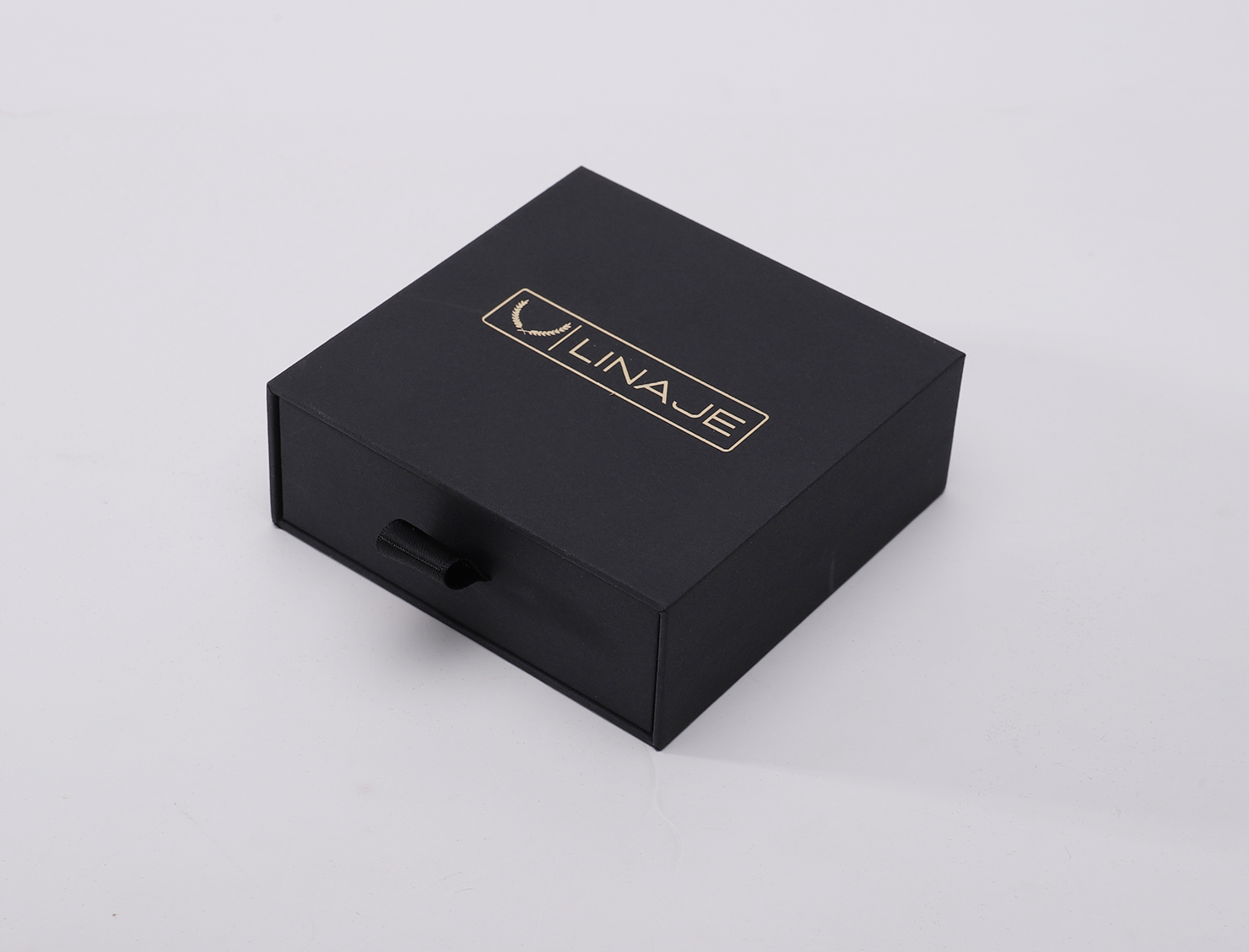
To review removal and repacking in a jewelry gift box, ask someone who did not pack the sample to open it, lift out the item and return it to the intended display position. Record where their fingers go, which parts they move and whether they need an explanation. Approve that sequence alongside the appearance of the loaded box. This guide gives buyers a practical way to turn those observations into a clear sample revision brief.
Use the jewelry box collection to identify a relevant opening format, then treat the access check as a separate approval step. The purpose is to describe how a person will use the packaging after it is opened, with the actual jewelry and accessories in place.
Define who will remove the item
Start with the intended handover. Will a store assistant present the jewelry, or will a recipient open the box without help? Will the item return to the box after a display appointment? Write down the intended sequence before requesting changes. A sample that is easy for the packing operator to assemble still needs a review from the receiving person’s perspective.
List everything that accompanies the jewelry: a tag, pouch, care card or spare component, where applicable. Identify what should be removed first and what should stay in the box. Keep these instructions specific to the assortment being ordered rather than assuming that every item follows the same sequence.
Separate box opening from item access
Review the opening in two stages. First, open the lid or drawer while the box rests in its intended position. Then inspect access to the jewelry. Ask the reviewer to point to the place they would grasp before they touch anything. Note whether the route is clear or whether they reach for a decorative element because there is no obvious alternative.
A black jewelry paper box can provide a presentation reference for the discussion. Its exterior alone does not determine the correct insert for your item. Describe the preferred grasping area and the parts that your jewelry team wants the user to avoid pulling, pressing or bending.
Observe a complete removal sequence
Use the actual item, or an agreed representative sample, with its normal accessories fitted. Follow the handling guidance supplied by the jewelry team. For an initial review, demonstrate slowly and stop if removal appears to require force. Record the obstruction rather than repeatedly pulling the item through it.
- For a ring, identify where fingers can reach the band and which presentation angle should be restored.
- For a necklace, record the route of the chain, the position of the clasp and the order in which any supports are released.
- For earrings, check how the front and back components are reached and where loose pieces are placed during removal.
- For a set, check each item separately and then repeat the intended complete sequence.
These are prompts for an item-specific review. Avoid setting one universal clearance or pulling force across the collection. Put any required measurement or acceptance limit into the project specification after the relevant teams agree it.
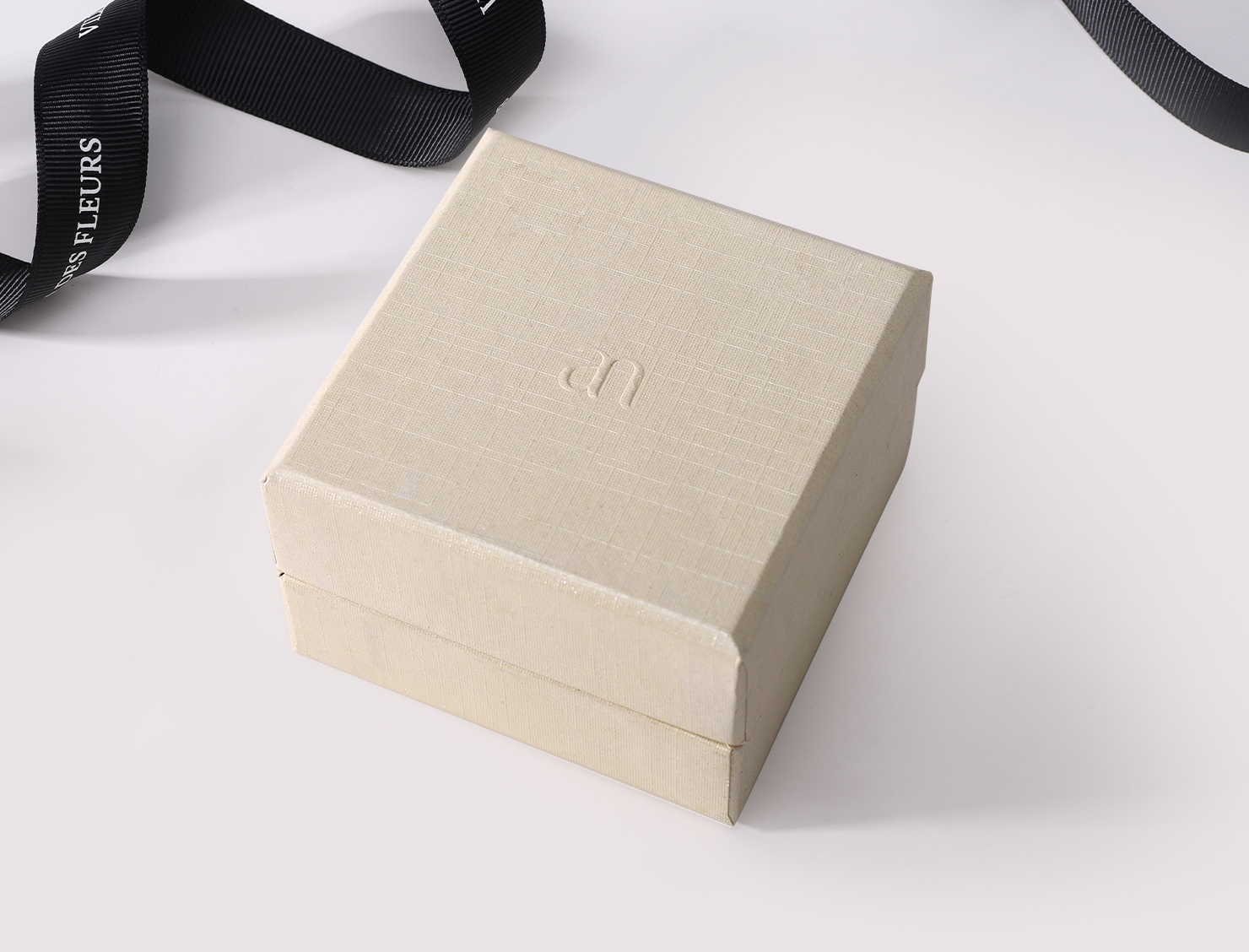
Check repacking without verbal coaching
After removal, ask the reviewer to return the jewelry to the box using the written instructions. Compare the result with the agreed presentation photograph. Look at orientation, accessory placement and whether the closing path remains clear. If the reviewer has to guess where a chain end or card belongs, add a clearer instruction or request a layout revision.
Include the planned insert removal sequence if the insert itself is meant to come out. State whether it should stay seated during ordinary use. Do not add a pull tab, notch or other access feature to the brief without checking its position against the item and the desired presentation.
Turn observations into an actionable revision
Replace comments such as “make it easier to use” with a marked photograph and a short sequence. Identify the item, sample version, starting position, observed obstruction and requested change. For example: “After the drawer opens, the reviewer reaches under the chain to lift the pendant; review an access area beside the pendant and repeat the removal check.”
Keep a separate list of accepted details so the next sample preserves the agreed appearance. Ask for the revised sample to be checked with the same contents and handling sequence. An access review addresses usability; transit protection and surface compatibility need their own agreed evaluation.
What should the buyer approve?
Approve a named sample version with the contents list, display photograph, removal sequence, repacking sequence and any unresolved observations recorded together. Identify who can accept an access-related change, so a later adjustment to the insert does not silently replace the approved presentation.
For a project discussion, send the packaging brief with item dimensions, opening preference and photographs of the handling sequence. This gives the packaging team a concrete question to review: can the intended user remove and replace this particular item in the agreed way?