
When ordering empty wine gift boxes, define what one ordered unit includes before agreeing the carton quantity. A finished presentation box, a separate insert and an outer shipping carton are different counting units. Use a component-level packing brief so that purchasing, receiving and the packing team can reconcile the same order without guessing.
This guide addresses the handover of empty packaging to the team that will fill it. It does not specify a transport test, bottle protection rating or freight price. Those decisions need the actual loaded pack and its distribution requirements.
Define the ordered unit first
Write a short sentence stating what the supplier should count as one set. For example, an order might define a set as one presentation box plus its matching insert. If a divider, sleeve, ribbon or card is separately supplied, list it separately rather than assuming that it is included. These are brief-writing examples, not standard contents for every wine box.
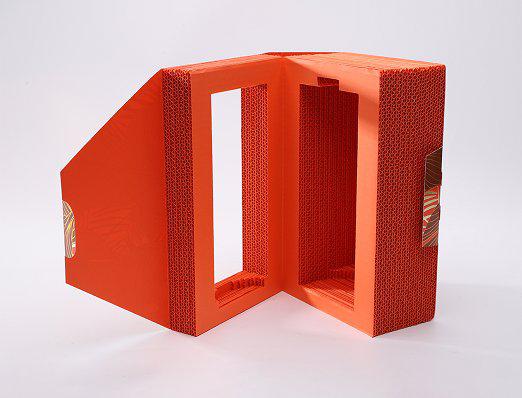
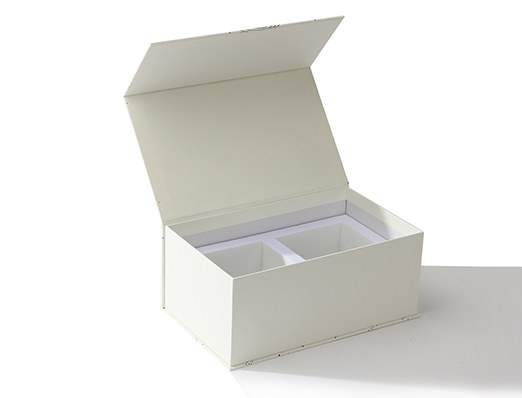
Give every component a reference that the receiving team can recognize. Use the product name, size reference and approved revision consistently across the purchase order and packing instructions. A photo can help identify the component, but it should accompany a written description rather than replace it.
Separate sets from loose components
Ask whether components will arrive already combined or in separate cartons. An erected box with an insert in place needs a different receiving description from boxes and inserts packed separately. Neither arrangement should be inferred from a presentation photograph.
Record three quantities for each component: the total ordered, the planned quantity per outer carton and any remaining partial-carton quantity. If lids and bases travel separately, give each its own line. The receiving team should be able to reconcile complete sets from those lines without opening every carton.
Agree how carton labels connect to the order
A useful proposed label layout includes the purchase-order reference, packaging item reference, component description, quantity inside and carton sequence. Have the supplier confirm which fields can be supplied and where the label will sit. Do not assume that an informal email subject will become the printed carton reference.
Keep the label description precise enough to distinguish similar versions. A color name alone may not separate boxes with different inserts or artwork revisions. If one order contains several versions, ask for separate carton identification and a packing-list line for each version.
Make partial cartons visible
Agree how a carton containing fewer units will be marked. The packing list should show its actual quantity rather than repeat the full-carton count. If spare components are included by agreement, identify them separately so that receiving does not treat them as a mismatch or quietly substitute them into another version.
For a simple arithmetic example, an order of 240 sets planned at 20 complete sets per carton would produce 12 full cartons. This is only a counting illustration; it is not a recommended pack quantity. Actual carton capacity, dimensions and handling arrangements must be confirmed for the proposed packaging.
Review one packing-list example before dispatch
Request a proposed packing-list example early enough to resolve unclear units. Check whether its totals reconcile with the purchase order and whether the carton references match the proposed labels. Ask the person who will receive the delivery to read it, especially when purchasing and filling happen at different locations.
Keep changes in one written revision. If the agreed count per carton changes, review the carton total and partial-carton line again. Avoid retaining one count in the order attachment and another in the final dispatch instructions.
What should go into the inquiry?
Send the selected box reference, the contents to be packed later, the required number of complete packaging sets and a list of separately supplied components. State whether receiving requires complete sets together or can reconcile separate component cartons. Ask for the proposed outer-carton quantities and identification layout to be confirmed with the quotation.
For format examples, explore the wine box collection and the wine paper box. These links identify packaging examples; they do not establish a carton capacity or transport performance. Use the Contact page to discuss a component-level packing brief for the chosen format.