
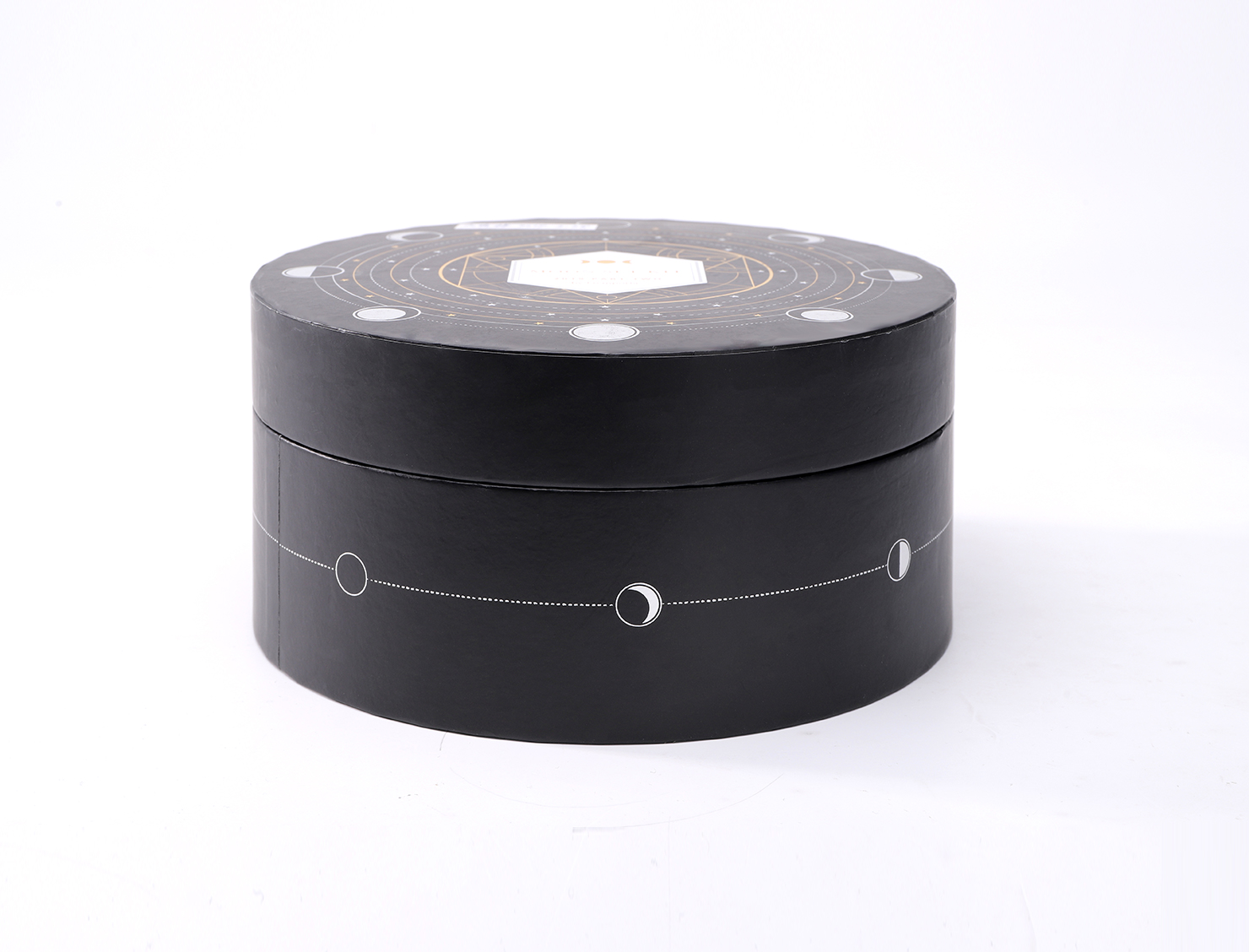
For paper tube artwork that connects a lid graphic with a body graphic, the approval brief should define the viewing direction, the closed position and the acceptable relationship between the two printed areas. Ask whether the requirement applies only to the presentation when packed or must also apply after the customer opens and replaces the lid. These are different approval questions and should be settled before the layout is released.
This buyer guide focuses on that visual handover. The paper tube and round box collection provides structural examples; the steps below help a buyer turn a preferred appearance into a clear artwork review.
Choose one front view before positioning the logo
Start with a drawing of the closed tube showing its intended upright position. Identify the main viewing side, the top of the artwork and the direction in which the text should read. If the tube will be displayed horizontally, provide that view separately rather than asking the designer to infer it from an upright image.
Mark the main logo, product name and any graphic that approaches the lid edge. Distinguish an intentional connection across the opening from two independent graphics. A continuous illustration needs a different discussion from a centered lid logo above a separate body panel. Use the same front-view reference throughout the approval pack.
Separate the lid artwork from the body artwork
Request the proposed artwork layout for each decorated component. Keep lid and body files clearly named, and identify which view shows the assembled pack. Ask the packaging team to indicate the visible edges, wrap joins and areas concealed when the tube is closed. Use the actual structural drawing for these boundaries rather than estimating them from a photograph.
For reference, the large custom paper tube box is one cylindrical format in the range. Its example appearance does not specify the registration requirement for a new design. The buyer’s own drawing should state which graphic relationships matter and where a break between components is acceptable.
Define what alignment means for this order
Describe the required result in observable terms. For example, ask whether a lid emblem should face the same direction as the main body logo in the packed presentation. If an illustration crosses the opening, mark its intended meeting points on the assembled view. Avoid a broad instruction such as perfect alignment without identifying the reference points and review conditions.
Ask the supplier to confirm what relationship the proposed closure can maintain. In particular, ask whether the lid has a defined orientation or can be replaced in different positions. Do not assume that aligning a lid during packing establishes the same position after every opening. If repeated alignment is essential, resolve that requirement during structural review before approving the artwork.
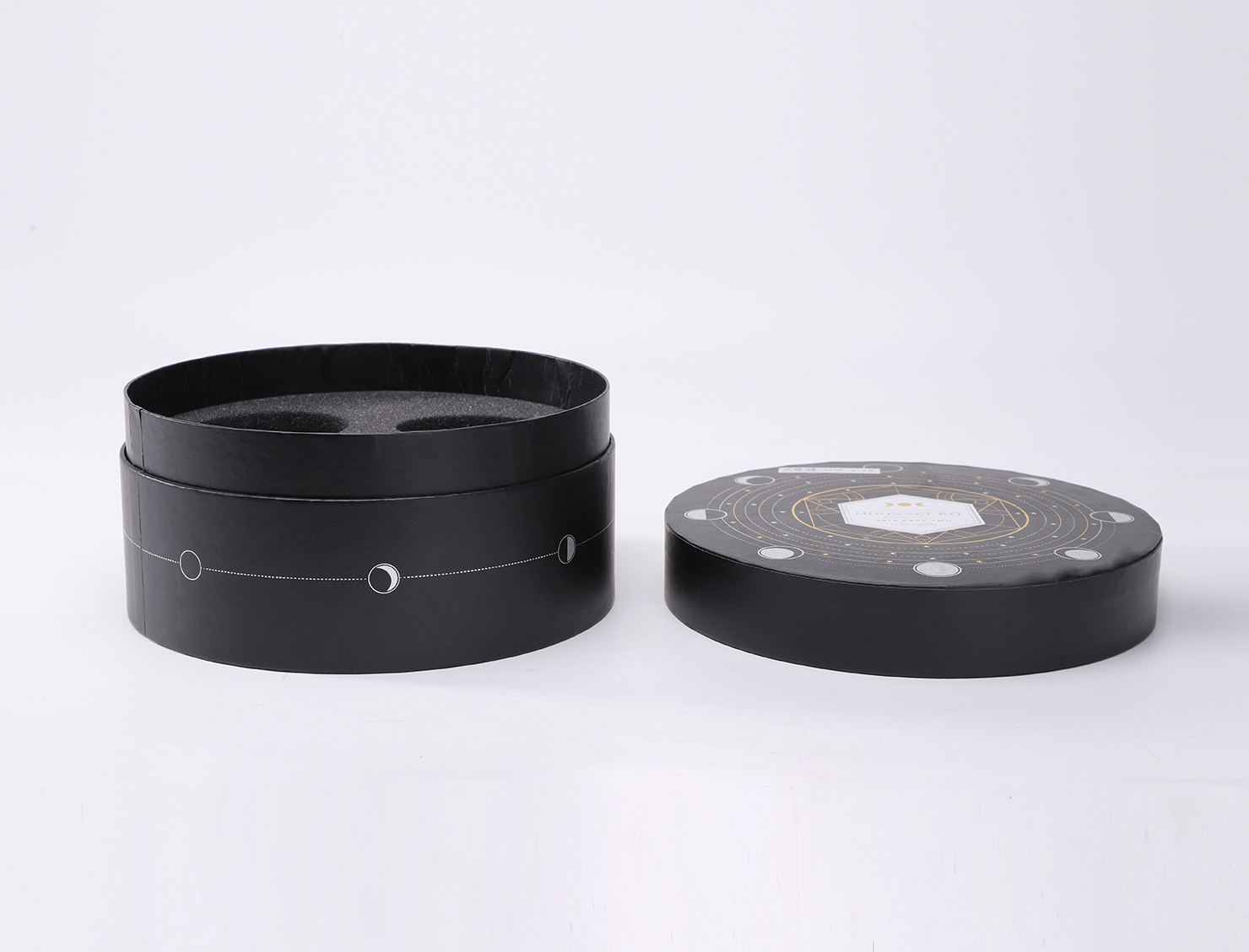
Review the assembled sample from the agreed angles
Request photographs of the closed sample from the agreed front view, the top and the reverse side. Include the opening edge in the review so that the lid and body relationship can be assessed together. Then review the physical sample where possible, using the same orientation marked on the drawing.
If the brief includes a relationship that must remain after opening, ask for that sequence to be demonstrated. Record the conditions used for approval and the result that is acceptable. Agree any measurable placement limits with the packaging team for this construction; there is no project-specific tolerance established merely by selecting a product photograph.
Carry the approved view into the packing instructions
Once the appearance is agreed, keep a single approved assembled view with the component artwork references. State whether the packer needs to orient the lid to the front panel before placing the tube in its transport packing. If this is a presentation step, identify it explicitly so the artwork approval and packing instruction describe the same result.
For several designs using one structure, create an artwork pairing list for lid and body. Give each pair a clear identifier and check that the assembled approval image corresponds to that pair. This is especially useful when similar colors or repeated motifs make components difficult to distinguish at a glance.
What should the buyer send for review?
Send the proposed tube drawing, separate lid and body artwork, an assembled front view and a short statement of the alignment requirement. Include intended display orientation and whether the requirement concerns initial presentation or repeated opening. List any unresolved question beside the relevant drawing area so it can be answered before final approval.
Use the existing Contact page to discuss your tube artwork brief. A clear request lets the packaging team review the graphic relationship alongside the proposed structure and return a design-specific response.