
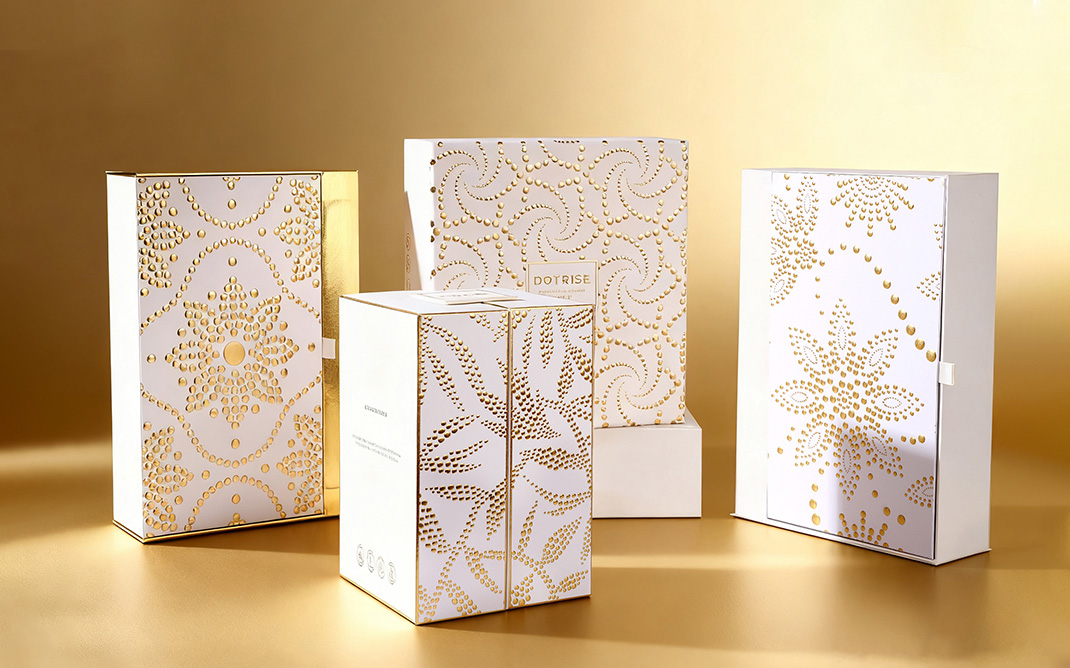
A perfume collection may share one visual identity while using different fragrance names, decorative patterns or gift-set combinations. When those versions are ordered together, the buyer needs more than a folder of attractive artwork. Each file should identify the exact box variant, component and quantity it belongs to.
This guide explains how to organize that handover. Its focus is version control for a multi-SKU packaging order, rather than choosing a box structure or approving bottle fit. A SKU, or stock-keeping unit, is the identifier used here to distinguish one ordered variant from another.
Start with a variant register, not an email attachment list
Create one row for every packaging variant before sending artwork for review. Give each row a stable internal code and a plain-language description. Keep the box dimensions or drawing reference beside it, even when several variants appear to use the same format. A fragrance name alone may not distinguish a single-bottle pack from a gift set.
The register should connect the commercial order to the files the supplier will use. Include the order quantity for each variant, the artwork filename and revision, the structural drawing revision, and the person responsible for approval. Record an unconfirmed item as an open decision internally; do not silently copy the value from the neighboring row.
Separate shared graphics from variant-specific information
Decide which elements should remain consistent across the range and which must change. Shared elements might include the brand mark, a border or the placement of a decorative motif. Variable elements might include the fragrance name, color reference, product code or a message on an accompanying card. Supply the exact approved text for each variant rather than asking the supplier to reconstruct it from an older box.
Review the full range side by side as well as reviewing each flat artwork file. This makes the intended relationships explicit: the logo position can stay consistent while a pattern or name changes. Do not assume that approving the master design also approves every variation derived from it.
Give each component and revision an unambiguous identity
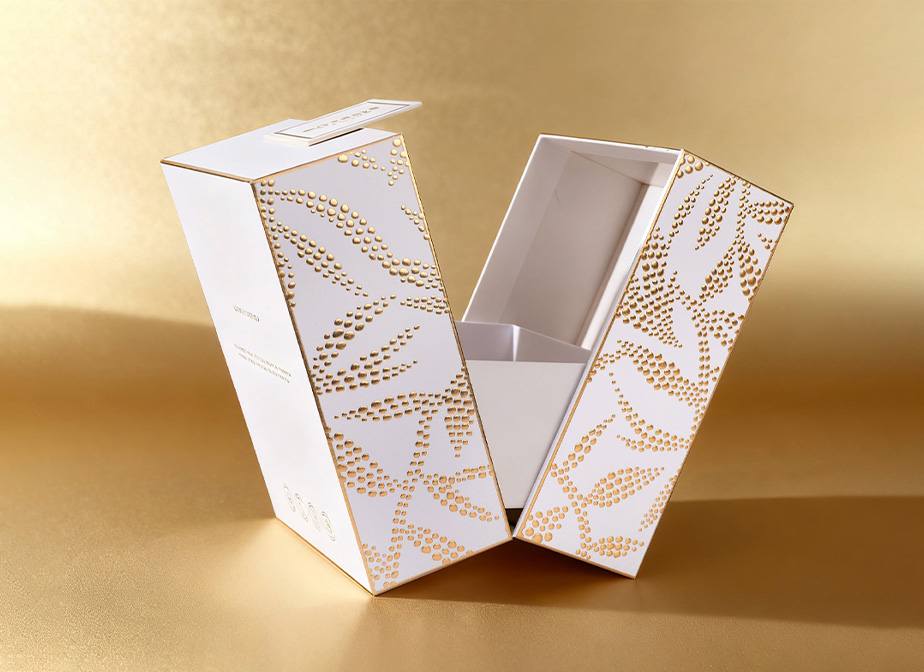
Where the specification includes a lid, base, sleeve, insert or card, identify those components separately in the register. Not every component needs printing, but each supplied piece should have a clear relationship to the ordered set. Record whether a plain component is shared by several variants or reserved for one version.
Use a consistent filename convention agreed with the supplier. For example, FR-A-LID-R03.pdf could identify fragrance variant A, the lid artwork and revision 03. This is an illustrative naming system, not a required industry format. Match the filename to the revision shown on the approval sheet, and check that the supplier’s returned proof carries the same reference.
Avoid relying on labels such as final, newest or final-final. Keep a separate status field for review, approved and superseded files. Retain superseded files in the internal archive, but exclude them from the current production handover folder.
Make a late change explicit about what it affects
When someone requests a correction, identify the exact variant, component and panel. State what changes and what remains unchanged. A revised fragrance name on one front panel should not be treated as a request to replace every file in the range.
For each change, record the previous revision, replacement revision, reason and affected quantity. Ask the supplier to confirm the status of the affected work before assuming the revision can be applied to all units. If any work has already begun, agree how the existing and revised versions will be handled. Do not promise that a late change has no cost or scheduling effect.
Approve the files and the quantity split together
Before release, reconcile the variant register with the purchase order and the supplier’s proof set. Add the individual variant quantities and compare the total with the intended order. Check the breakdown rather than accepting a correct overall total: two variants could have been assigned each other’s quantities.
- Does every ordered variant have the correct artwork revision?
- Are all separately supplied printed components included?
- Do product names and internal codes match the variant register?
- Are unresolved comments closed for each file being released?
- Does the supplier’s confirmation identify the same files and quantity split?
Record artwork approval separately from structural or decorated-sample approval. Where a physical reference is needed to agree appearance, identify that reference alongside the file version. A signed PDF alone should not be described as a physical color or finish acceptance.
Carry the same identifiers into packing and repeat orders
Agree how cartons containing different variants will be identified for the receiving team. The packing list should use the same variant codes and descriptions as the order register. For a repeat order, confirm the current approved revision instead of asking for the same as last time, especially when several versions have previously been supplied.
Explore the perfume gift-box product example for a starting design reference. To discuss a multi-variant order, send a packaging brief with your variant register, quantity split and current artwork files. Keep every approval tied to the specific order it is intended to cover.